Hyaluronic acid shows up on ingredient lists twice these days — once on the serum shelf, once on the supplement shelf — and the marketing around both leans on the same word: hydration. They're not really doing the same job, and treating them as competing options misses the more useful question, which is how they work differently.
How topical HA actually works
Applied to skin, hyaluronic acid sits in the outer layers and draws water into them, plumping and hydrating the surface almost immediately. It's a genuinely fast, visible effect — but a temporary one that fades once you stop applying it, since it's acting on the surface rather than changing anything underneath.
What the oral evidence actually shows
Oral hyaluronic acid works on a slower, different mechanism — digested and used by the body over time rather than sitting on the skin's surface. A randomised, double-blind, placebo-controlled trial in 150 healthy adults found that oral sodium hyaluronate supplementation improved skin hydration, barrier function, and visible signs of aging compared with placebo.[1] There's no EFSA-authorised claim behind this — an earlier application specifically for hyaluronic acid and skin dehydration was rejected for lack of qualifying human trial data — so this rests on individual studies like the one above, not a pre-approved claim.[2]
So which one should you actually use?
Neither replaces the other, and there's no direct head-to-head trial pitting a serum against a supplement to settle it definitively.
"A serum is the faster, cheaper win for surface hydration. A supplement is the slower, whole-body approach. They're complementary, not either/or."
- Use a topical serum for immediate surface plumping — this is the faster, more visually immediate effect.
- Treat an oral supplement as a slower addition — judge it over weeks, not days, and don't expect it to replace what a serum does on the surface.
- Don't expect either to work instantly in the other's lane — a serum won't do what oral HA does over time, and oral HA won't plump skin the way a serum does in minutes.
Where our own formula lands
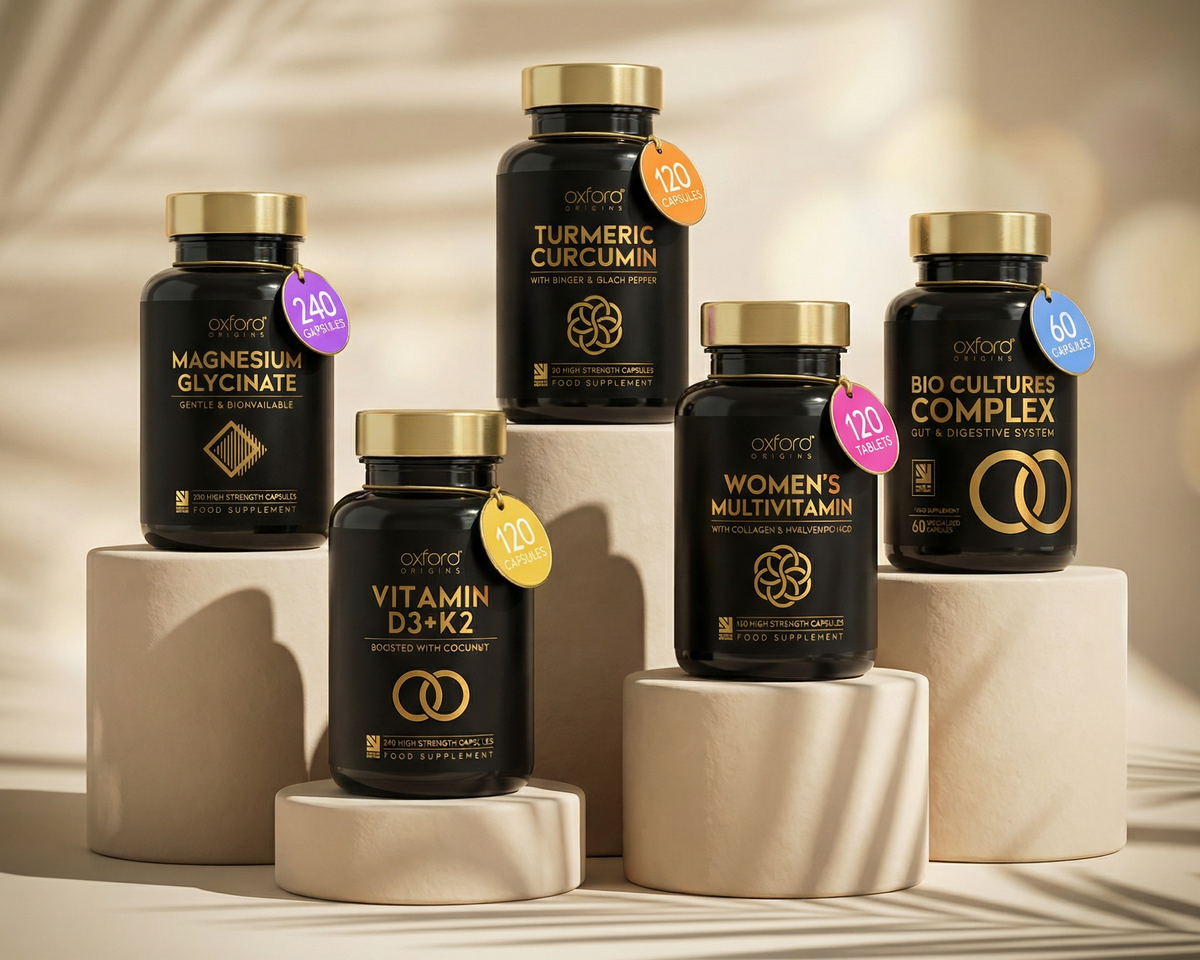
Oral hyaluronic acid rarely stands alone as its own supplement — it's more often bundled into a broader skin-focused formula alongside collagen and complementary vitamins.

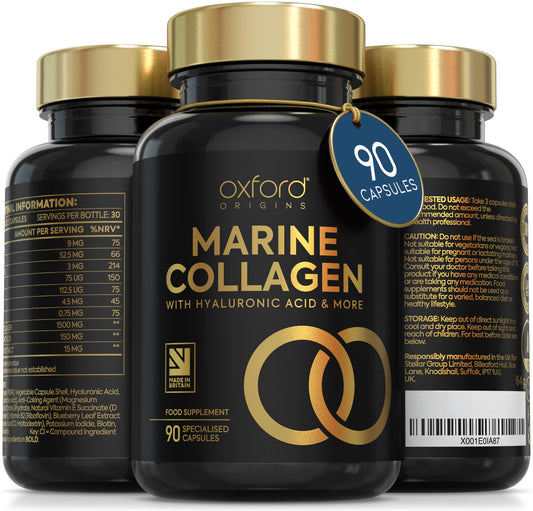
Ours pairs hyaluronic acid with hydrolysed Type 1 marine collagen, vitamin C, E, B2 and zinc — the same funding-bias caveat we've flagged in our collagen deep-dive applies here too, so treat it as a slow, whole-body addition alongside a topical serum, not a replacement for one. It's out of stock as we write this regardless.
The standard, layered properly
Becoming the standard here means being honest that this isn't really a versus. A serum earns its place for fast, visible surface hydration. An oral supplement earns its place as a slower, whole-body layer underneath it — and neither is pretending to be the other.
Frequently asked questions
Is oral hyaluronic acid as effective as a topical serum?
They work differently rather than competing directly — no trial has directly compared the two. A serum currently has the stronger evidence for fast, visible surface hydration; oral supplements work more slowly on a whole-body level.
How long does oral hyaluronic acid take to work?
Trial evidence has shown measurable hydration improvements within 2 to 4 weeks of daily supplementation, faster than the 8-12 week window typical of collagen research.
Can you use hyaluronic acid supplements and serum together?
Yes — they act on different layers and timescales, so combining a topical serum with an oral supplement is a reasonable, complementary approach rather than redundant.
Is there an EFSA-approved health claim for hyaluronic acid and skin?
No. An application specifically covering hyaluronic acid and protection of the skin against dehydration was assessed and not authorised, due to insufficient human trial data at the time. Claims rest on individual studies rather than a pre-approved claim.
Sources
- Scientific Reports (Nature), 2025 — randomised, double-blind, placebo-controlled trial of oral sodium hyaluronate in 150 healthy adults: nature.com/articles/s41598-025-32758-5
- EFSA Scientific Opinion — hyaluronic acid and protection of skin against dehydration (claim not authorised): efsa.europa.eu/en/efsajournal/pub/2806
At Oxford Origins, your wellbeing is our priority, and although we pride ourselves on our expertise in nutrition and supplementation, it's important to acknowledge the individuality of each person. Articles published by Oxford Origins are not intended to treat, diagnose, cure or prevent any disease, or replace the advice of your GP. We always recommend consulting with a healthcare provider if you encounter any health concerns, and we'll always be here to support you so you're never alone on your journey.