Chromium gets marketed heavily around blood sugar, and unlike collagen or hyaluronic acid, it genuinely does carry an EFSA-authorised claim. That makes it an unusual case in this series — not one where the claim is missing, but one where the evidence behind an already-approved claim has since come under real scrutiny.
The claim that's actually authorised
Chromium is authorised to contribute to normal macronutrient metabolism, the maintenance of normal blood glucose concentrations, and a reduction of tiredness and fatigue.[1] What doesn't usually make it onto the label: a meaningful share of the original substantiating evidence came from case studies and case series in patients on long-term intravenous feeding (total parenteral nutrition) with a confirmed, severe chromium deficiency — a very specific clinical scenario, not the general population reaching for a bottle.
"The evidence behind the original approval came mostly from patients on intravenous feeding with a severe, confirmed deficiency — not from healthy people looking for a blood sugar edge."
What happens when it's tested in healthy or at-risk people
Clinical trials comparing chromium supplementation with placebo have found it can significantly increase the body's acute insulin response to glucose, but without affecting HbA1c, insulin sensitivity, or other longer-term measures of glucose metabolism.[2] A more recent scientific reappraisal has gone further, concluding there's no clear evidence of beneficial effects from chromium intake in healthy subjects specifically. The acute effect is real; the meaningful, long-term blood sugar control most people actually want isn't well supported.
Who chromium deficiency actually affects
Genuine chromium deficiency is rare and has been documented almost exclusively in people on long-term intravenous feeding without chromium included in the formula — not something a reasonably varied diet is likely to produce. If you don't fall into that specific clinical situation, you're not the population the original deficiency-correction evidence describes.
- If you have diagnosed insulin resistance or type 2 diabetes, chromium isn't a substitute for prescribed treatment — talk to your GP before adding it, particularly alongside blood-sugar-lowering medication.
- Don't expect a measurable HbA1c change based on current trial evidence, even though an acute insulin response has been shown.
- Genuine deficiency is a specific clinical situation, not something typical dietary patterns put most people at risk of.
The fatigue-reduction side of chromium's claim is worth a separate look too — we've covered the broader picture of fatigue-related nutrients in What Vitamins Help With Tiredness.
Where our own formula lands
If you're taking a general multivitamin partly for the chromium content, recalibrate your expectations to the evidence above rather than the label's framing.

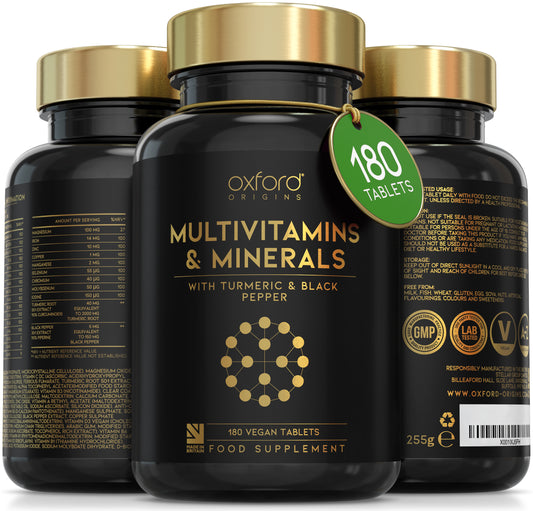
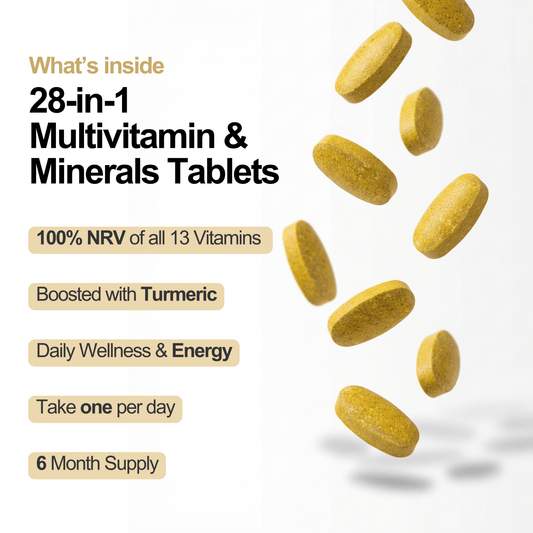
Ours includes chromium among 28 nutrients as part of a general A-Z formula, not as a targeted blood sugar product — which is the honest place for it to sit, given the evidence above. It's out of stock as we write this regardless.
The standard, without the outdated claim
Becoming the standard here means telling you that an authorised claim isn't the same as settled evidence. Chromium's blood sugar claim is real on paper; the research since has made it a much smaller promise than the label suggests.
Frequently asked questions
Does chromium actually lower blood sugar?
Evidence is mixed. Trials show it can increase acute insulin response to glucose, but haven't shown a meaningful effect on HbA1c or longer-term glucose control, and a later scientific reappraisal found no clear evidence of benefit in healthy people.
Is chromium safe to take alongside diabetes medication?
Talk to your GP first. Chromium isn't a substitute for prescribed treatment, and combining supplements with blood-sugar-lowering medication should have medical oversight.
Who is actually at risk of chromium deficiency?
Genuine deficiency has been documented almost exclusively in people on long-term intravenous feeding without chromium in the formula — not something typical diets put most people at risk of.
Does the EFSA claim mean chromium supplements are proven to work?
Not quite. Much of the original evidence came from a specific clinical population (intravenous feeding patients), and more recent research in healthy or at-risk populations hasn't found the same clear benefit.
Sources
- EFSA Scientific Opinion — chromium and blood glucose maintenance, macronutrient metabolism, tiredness and fatigue claims: efsa.onlinelibrary.wiley.com/doi/pdf/10.2903/j.efsa.2010.1732
- Study — chromium effects on glucose tolerance and insulin sensitivity in persons at risk for diabetes mellitus: pmc.ncbi.nlm.nih.gov/articles/PMC3118091
At Oxford Origins, your wellbeing is our priority, and although we pride ourselves on our expertise in nutrition and supplementation, it's important to acknowledge the individuality of each person. Articles published by Oxford Origins are not intended to treat, diagnose, cure or prevent any disease, or replace the advice of your GP. We always recommend consulting with a healthcare provider if you encounter any health concerns, and we'll always be here to support you so you're never alone on your journey.