Turmeric supplements almost always come bundled with two separate promises: that curcumin helps joint pain, and that black pepper makes it absorb dramatically better. They get marketed as a package deal, but they don't deserve the same level of confidence — one has a genuine trial base behind it, the other rests on a single 1998 study that's had a rough few years.
What the joint-pain evidence actually shows
A systematic review and meta-analysis pooling 15 randomised controlled trials across 1,621 participants found that Curcuma longa extract and curcumin supplements reduced pain scores, improved function, and reduced stiffness in knee osteoarthritis compared with placebo.[1] Separate meta-analyses have found curcumin's pain-relief effect broadly comparable to some NSAIDs over the trial period, generally with a milder side-effect profile — though, as with collagen, there's no EFSA-authorised health claim for curcumin and joint health, so this rests on the individual trial evidence rather than a pre-approved claim.
Most of these trials, like most supplement research, run 8 to 12 weeks before showing a measurable difference — this isn't a same-day-relief supplement, whatever the label copy implies.
The absorption claim is shakier than the pain evidence
Here's where most turmeric marketing overreaches. The claim that black pepper (specifically its compound piperine) boosts curcumin absorption by 2,000% traces back to a single human study from 1998.[2] That figure has been repeated on supplement labels for over two decades as if it were settled fact.
"The 2,000% figure has never been independently replicated, and the most recent independent study found piperine added no measurable benefit at all."
A 2025 independent pharmacokinetic reappraisal tested several curcumin formulations, with and without piperine, and found that adding piperine did not meaningfully increase plasma levels of the form of curcumin your body can actually use.[3] That doesn't prove piperine does nothing — but it's a long way from a confident 2,000% figure.
What to actually weigh before buying one
- Check the actual curcumin dose and extract ratio — the trials behind the pain evidence used specific, stated amounts, not just "turmeric" as a vague ingredient.
- Don't pay a premium purely for the black pepper claim — it's a reasonable, low-risk inclusion, but not one backed by the confident number usually printed next to it.
- Give it the full 8-12 week window — judging after a few days won't tell you anything the trials didn't also need two to three months to show.
If joint discomfort is a wider concern than just supplementation, we've covered other angles worth combining with this in Three Natural Ways to Reduce Joint Pain.

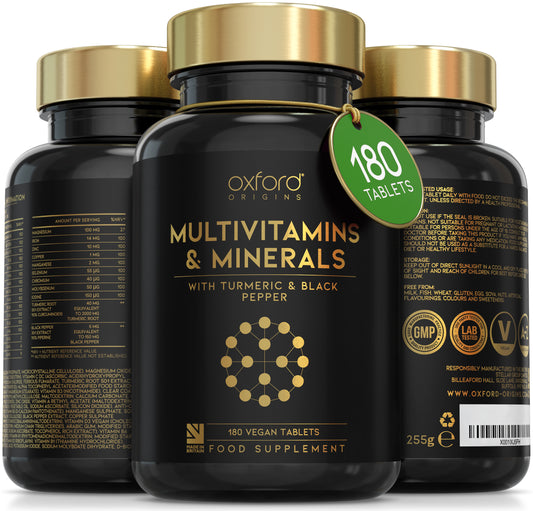
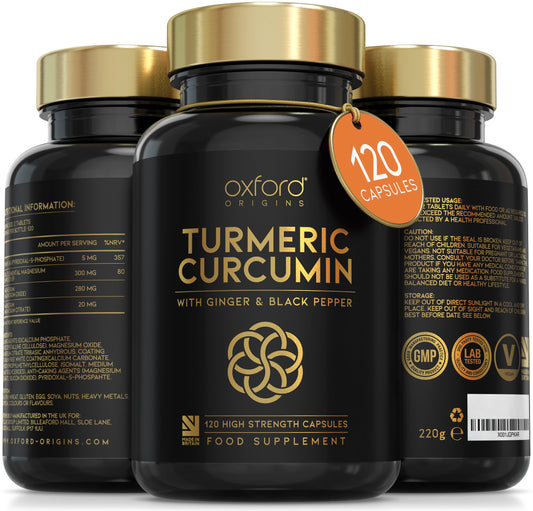
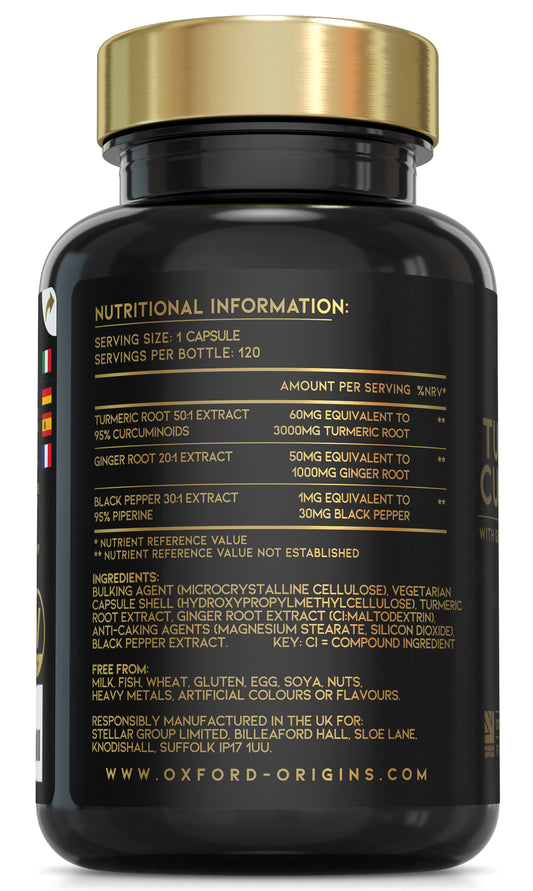
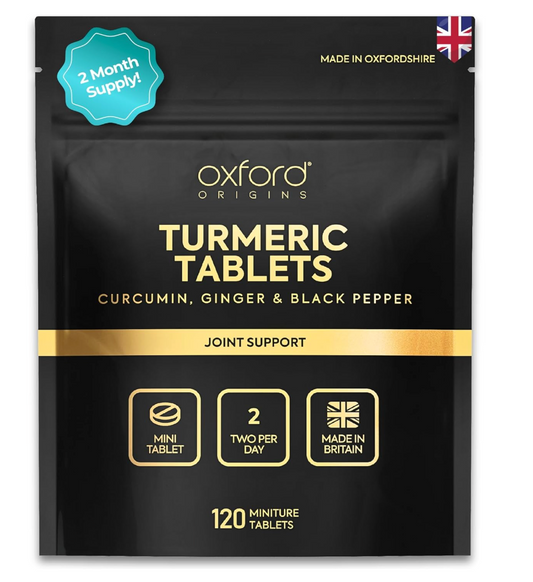
Ours pairs a 50:1 turmeric extract with ginger and black pepper — we include the black pepper for the same reason most formulas do, but we're not going to tell you it doubles your absorption twenty times over when the most recent independent research couldn't confirm any real-world benefit. Judge it on the curcumin dose, and give it the trial window above.
The standard, without the marketing number
Becoming the standard here means keeping the two claims separate: the joint-pain evidence for curcumin is genuinely decent, trial-backed, and worth trying with realistic expectations. The 2,000% absorption figure is a 27-year-old, unreplicated number that's outlived the scrutiny it deserved.
Frequently asked questions
Does turmeric actually help with joint pain?
There's reasonable trial evidence that curcumin supplements can reduce pain and improve function in knee osteoarthritis, with effects that some meta-analyses have found comparable to certain NSAIDs over the trial period — though there's no EFSA-authorised claim to lean on, so this rests on the individual study evidence.
Does black pepper really increase curcumin absorption by 2000%?
That figure comes from a single 1998 human study that's never been independently replicated. A 2025 independent reappraisal found piperine did not meaningfully raise usable curcumin plasma levels, so treat the 2,000% number with real caution.
How long does turmeric take to work for joint pain?
Most of the supporting trials run 8 to 12 weeks before measuring a meaningful difference, so that's the realistic window to judge by rather than days.
Is turmeric safer than NSAIDs for joint pain?
It's generally well tolerated short-term, but it isn't risk-free — it can interact with blood-thinning medication and isn't suitable for everyone. Check with your GP before combining it with existing medication, particularly anticoagulants.
Sources
- Systematic review and meta-analysis — Curcuma longa extract and curcumin supplements for knee osteoarthritis: ncbi.nlm.nih.gov/pmc/articles/PMC8202067
- Shoba et al., 1998, Planta Medica — influence of piperine on the pharmacokinetics of curcumin in human volunteers (source of the 2,000% figure): doi.org/10.1055/s-2006-957450
- iScience, 2025 — pharmacokinetic study and critical reappraisal of curcumin formulations enhancing bioavailability: ncbi.nlm.nih.gov/pmc/articles/PMC12144411
At Oxford Origins, your wellbeing is our priority, and although we pride ourselves on our expertise in nutrition and supplementation, it's important to acknowledge the individuality of each person. Articles published by Oxford Origins are not intended to treat, diagnose, cure or prevent any disease, or replace the advice of your GP. We always recommend consulting with a healthcare provider if you encounter any health concerns, and we'll always be here to support you so you're never alone on your journey.